 Passes, peaks, terraces and villages of Lai Chau, in English
Seasons
When to go to Lai Chau
Lai Chau has a dry season from about October to April and a wet summer, but each kind of trip runs on its own calendar. Rice has two moments, rhododendrons a few weeks, and the roads one long risky spell. This page lines them up.
The year at a glance
Our planning assessment from the sources on this page. Rice: water in May, ripe in September–October. Trekking: October–April, rhododendrons February–April. Roads: heaviest rain June–August.
Sources: VnExpress — Lai Chau travel handbook (2024); Lai Chau provincial tourism portal — Putaleng peak; Heritage magazine (Vietnam Airlines) — Putaleng; Tien Phong — rice terraces of Lai Chau (2024); UK Foreign Office — Vietnam safety and security · last checked .
Season by season
October and November
The rice harvest runs through late September and October, the rains have usually ended, and trekking season opens. This is the busiest time for photographers in the valleys, and the clearest for the pass. Nights are cold above 1,500 m.
December to February
Cold and often grey, with fog on the Sa Pa side of the pass, frost at altitude and an occasional dusting of snow on the summit or on Sin Ho. Lunar New Year falls in late January or February; buses fill, prices rise and some homestays close for family celebrations. Trekking is possible but cold.
March and April
The rhododendron window on Pu Ta Leng, February to April, overlaps with blossom on the slopes. Days are mild. In some years smoke from field burning hazes the views. The provincial handbook lists January to March as a popular time for blossom.
May
Water season. Farmers flood and transplant the fields from May; a press handbook calls April to May the water-filling period. The first heavy storms arrive. Than Uyen also harvests a winter-spring crop around this time.
June to August
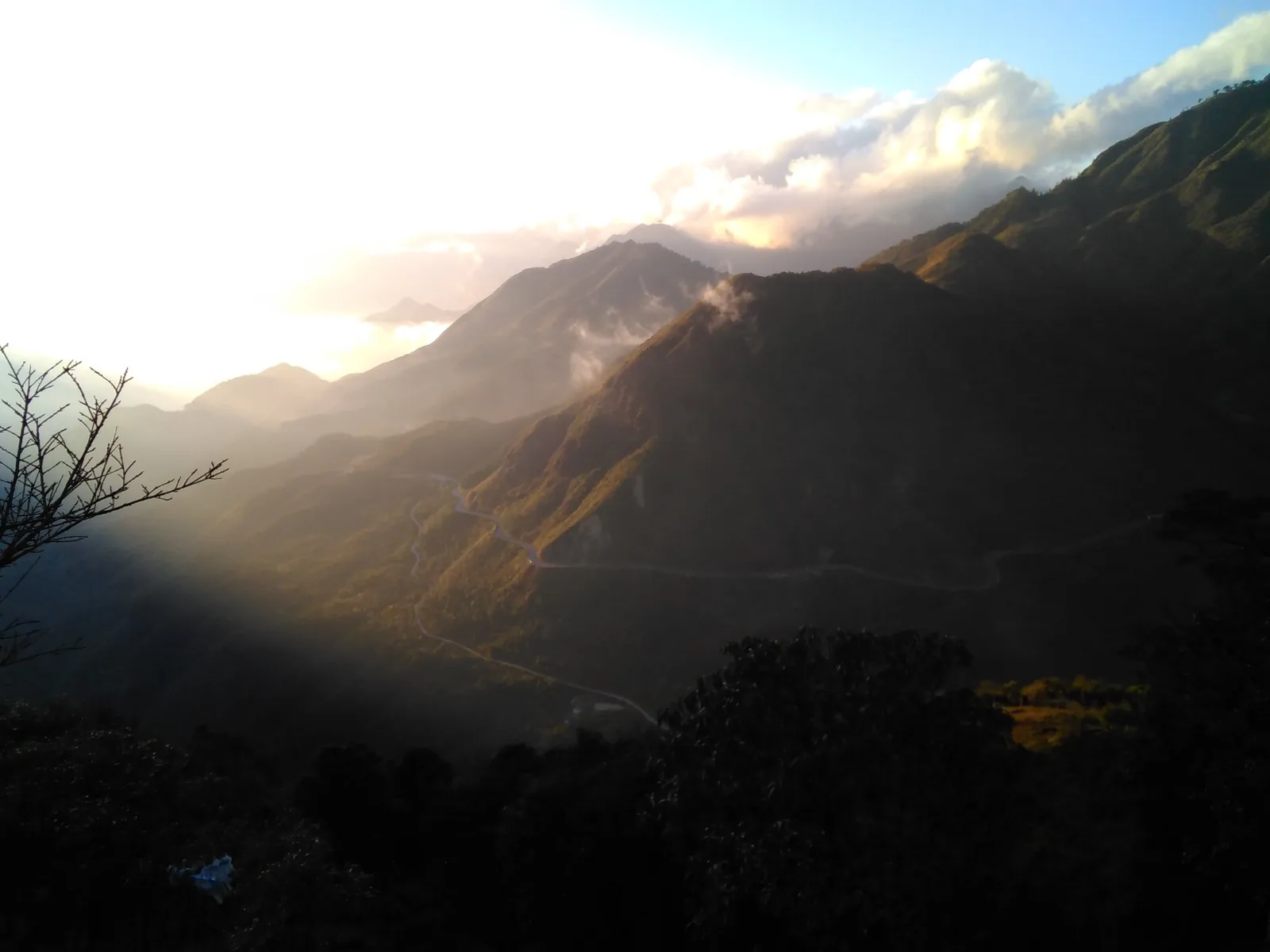
The wettest months. A 2024 press handbook advises avoiding Lai Chau in heavy rain; landslides on Highway 4D are most common now, and trails on the peaks are slippery and leech-ridden. The valleys are intensely green, and visitors few.
September
Rice ripens from the valley floor upward, and the month can be both beautiful and stormy. Late typhoon remnants can still bring heavy rain to the north-west.
Sources: VnExpress — Lai Chau travel handbook (2024); Tien Phong — rice terraces of Lai Chau (2024); Heritage magazine (Vietnam Airlines) — Putaleng; Lai Chau provincial tourism portal — Putaleng peak; Vietnam News Agency (VietnamPlus) — Muong Than at harvest (2024); Lai Chau provincial tourism portal — O Quy Ho pass · last checked .
Matching the month to the trip
| If you want | Go in | Avoid |
|---|---|---|
| Clear views from O Quy Ho | October–December, March–April | June–August |
| Rhododendrons on Pu Ta Leng | February–April (peak about 2–3 weeks) | May–September |
| Water in the terraces | May | — |
| Ripe rice at Muong Than and Ta Mung | Late September–October | November–March, if rice is the point |
| Quiet villages | Weekdays outside holidays | Lunar New Year and national holidays |
| A trek with views | October–November, March | Summer |
Sources: Tien Phong — rice terraces of Lai Chau (2024); Heritage magazine (Vietnam Airlines) — Putaleng; VnExpress — Lai Chau travel handbook (2024) · last checked .
Temperatures and altitude
Altitude matters more than month. The Sin Ho plateau, at about 1,500 m, averages about 18°C according to a 2026 report. Camps on Pu Ta Leng are above 2,000 m and can approach freezing on winter nights. The valley floors around Than Uyen are lower and noticeably warmer. Pack for all three if your trip combines them.
Sources: Viet Nam News — Sin Ho plateau (2026); Viet Nam News — conquering Pu Ta Leng (2017) · last checked .
What forecasts miss
Regional forecasts for north-west Vietnam are made for lowland stations and say little about a summit at 2,000 m or a camp at 2,400 m. Three local patterns matter more than the headline number. First, the two sides of O Quy Ho behave differently: the provincial portal describes the Lai Chau slope as warm and dry and the Sa Pa slope as cool and humid, so a grey morning in Sa Pa does not mean a grey morning on the far side. Second, cloud tends to build on the high ridges during the day, so mornings are usually clearer than afternoons for views and summits. Third, rain in the mountains reaches the roads later: slides often come after several days of rain, not during the first storm.
For planning, that means doing the things that need a view early in the day, keeping a flexible morning on the pass, and treating the second and third days of a wet spell as the riskiest on the roads. On treks, it means agreeing a turn-back time with the guide before the summit day, and keeping to it.
Sources: Lai Chau provincial tourism portal — O Quy Ho pass; Lao Cai Newspaper — landslides on Highway 4D, 11 July 2025 · last checked .
Light and photography
For the rice fields, the first two hours after sunrise and the last hour before sunset give the low, side light that shows the shape of terraces; at midday in September the yellow flattens out. Mist often lies on the Muong Than field early in the morning in autumn and lifts by mid-morning. On the pass, the Lai Chau side faces west, so late afternoon light falls on the switchbacks when the summit is clear. In the rhododendron season on Pu Ta Leng, overcast light is no bad thing: the flowers and moss show better without hard shadows.
Holidays
Vietnamese holidays fill buses and the glass bridge. The main peaks are Lunar New Year, the 30 April and 1 May holidays, and 2 September. If your trip touches these dates, book transport early and expect weekend-like crowds at the pass. Villages are quieter, but some families stop hosting over Lunar New Year.
When not to go
- June to August, if your plan depends on fixed bus times or a view from the pass.
- Mid-winter, if you are not equipped for cold nights at altitude.
- November to March, if the trip is only for rice.
- Lunar New Year, if you need reliable transport and open homestays.
Common questions
Questions readers ask
What is the driest time to visit Lai Chau?
Roughly October to April. The heaviest rain falls from June to August.
When are the rice fields yellow?
Late September and October for the main crop. Water season, when the terraces are flooded, starts in May.
When do rhododendrons flower on Pu Ta Leng?
From February to April, with any one slope at its peak for about two to three weeks.
Is winter a bad time to visit?
Not bad, but cold and often foggy on the high roads. Days on the Lai Chau side of the pass can be mild.
Related
Read next
Destinations · Rice and tea
Tan Uyen and Than Uyen
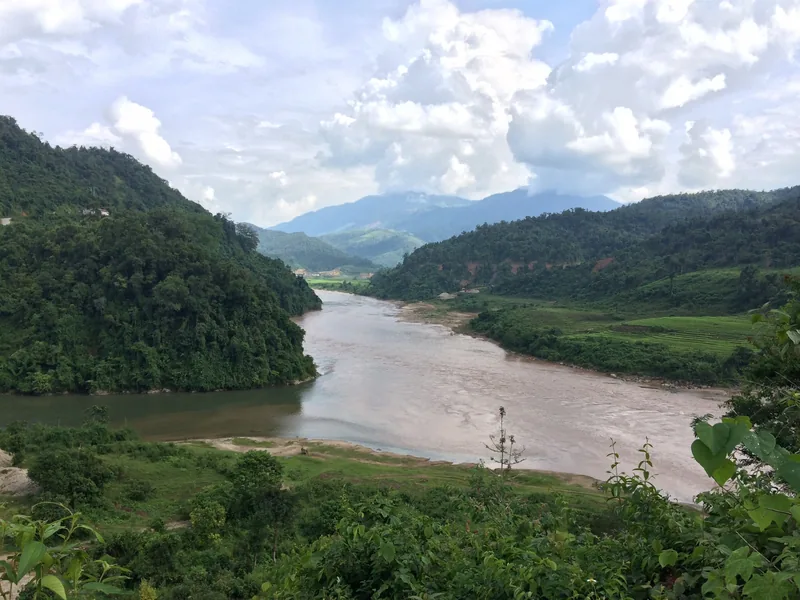
Tan Uyen tea hills and the Muong Than rice field: harvest timing, terraces, roads and when to skip them.
Read more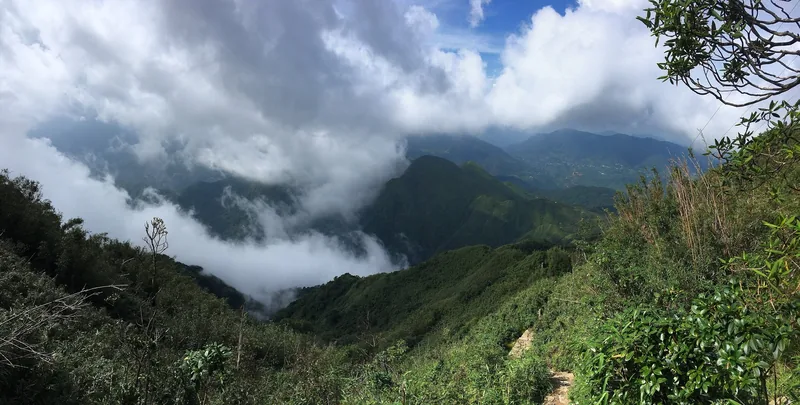
Destinations · Trekking
Pu Ta Leng
Pu Ta Leng trek: routes from Ta Leng commune, days, season, rules, costs and risks.
Read more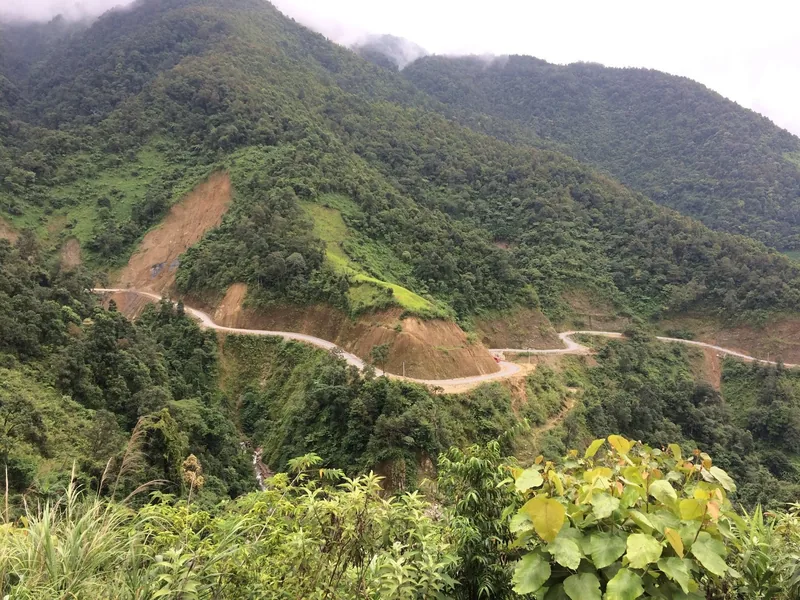
Safety
Road safety and weather
Landslides, fog, night buses and motorbike rules on Lai Chau's mountain roads, with dated examples.
Read more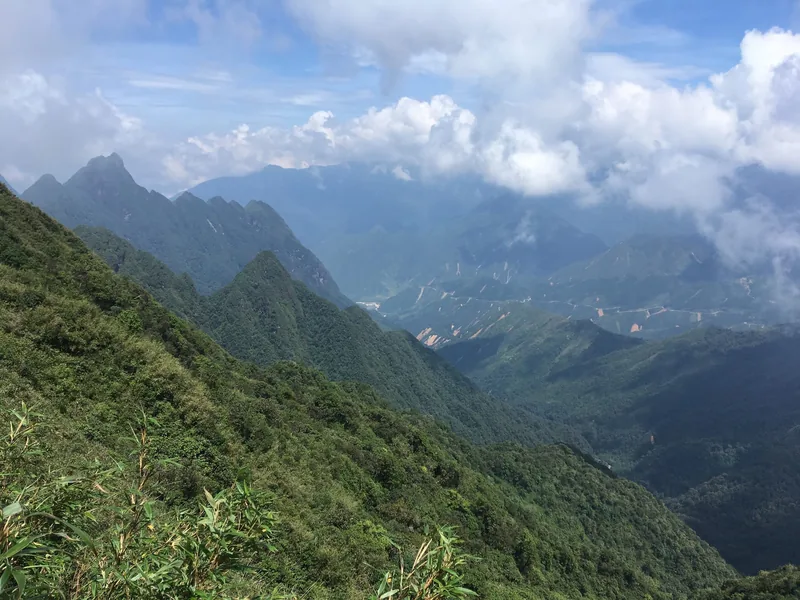
Trekking
Trekking peaks
Pu Ta Leng, Bach Moc Luong Tu and Pu Si Lung compared: height, days, grade, season and permits.
Read more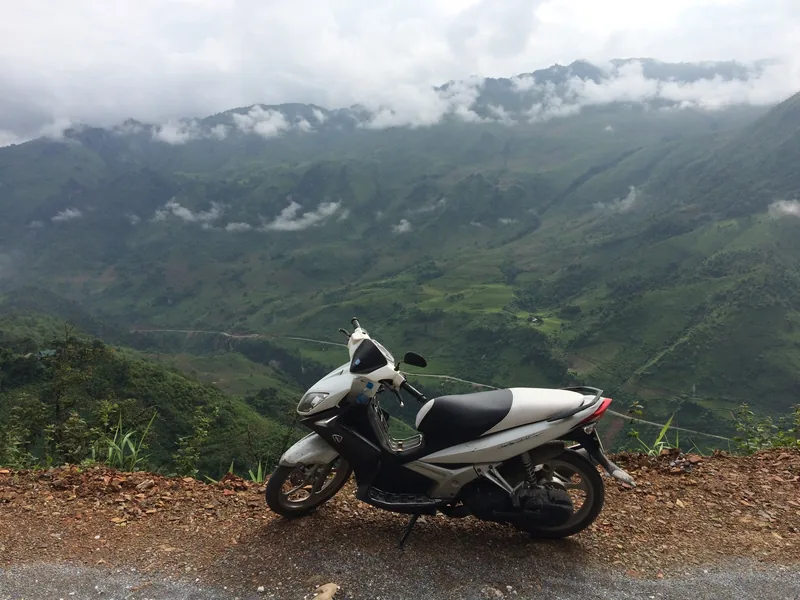
Planning
How many days
Suggested loops in Lai Chau from Sa Pa and Hanoi, with days, distances and where short trips fail.
Read more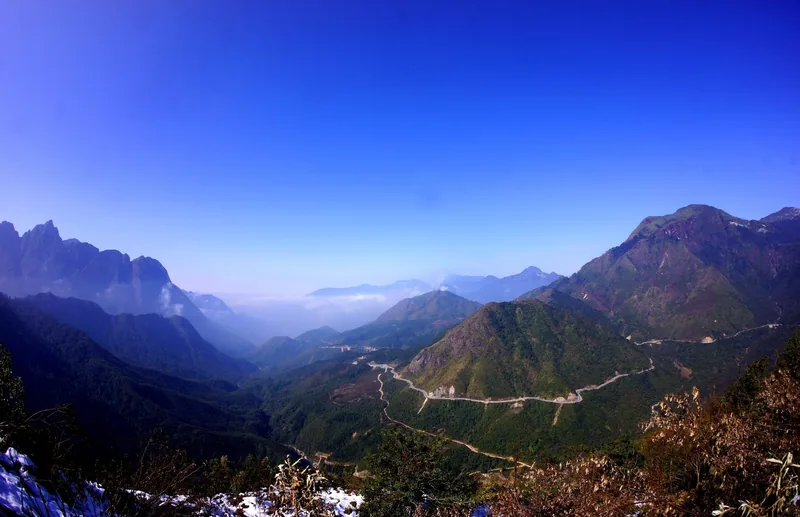
Destinations · Highway 4D
O Quy Ho pass
Highway 4D over the Hoang Lien range: distances, weather, the glass bridge and road safety.
Read more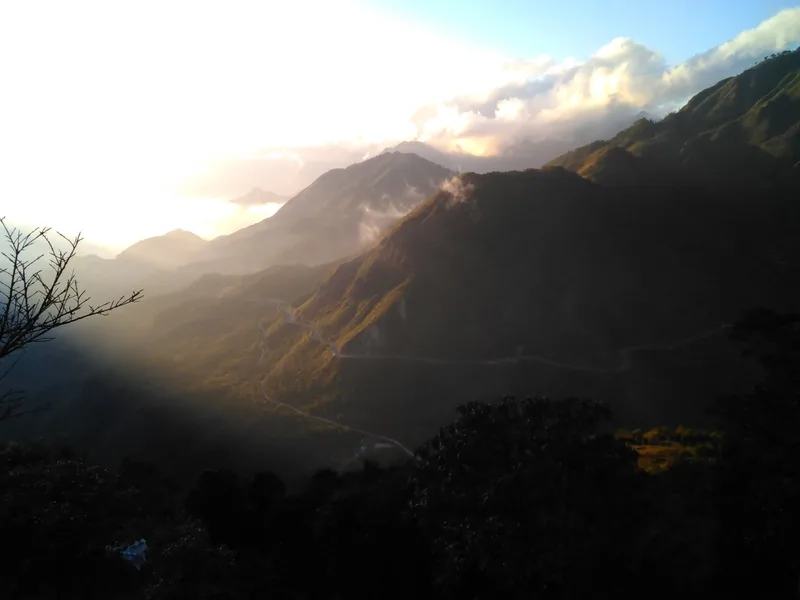
Start planning
Send a correction or a question
Tell us which page you mean, what you found on the road, the trail or an official site, and when. A link to the source helps us check it.