 Passes, peaks, terraces and villages of Lai Chau, in English
Practical rules
Permits and registration in Lai Chau
Lai Chau borders China, and some of its mountains are protected forest. That brings three sets of rules: border-area rules, the declaration every host makes for foreign guests, and forest rules for climbs. None is complicated, but each can stop a trip if ignored.
The short version
- Carry your passport everywhere in Lai Chau. Hotels, homestays, guides and checkpoints ask for it.
- Your host declares your stay to the police. That is their legal duty, not an optional service.
- Some places near the Chinese border need permission from the provincial police or border guard. Ask before you go.
- Climbs in protected forest may need a declaration to forest rangers, usually made by the guide or homestay.
- Rules change, and local practice can differ from national texts. Check with the commune office or border post.
Sources: UK Foreign Office — Vietnam safety and security; Vietcetera — temporary residence rules for foreigners (2026); Decree 34/2014/ND-CP on land border areas, English text (LuatVietnam); Lao Cai Newspaper — Bat Xat National Park warning on unplanned climbs · last checked .
Border areas
Several communes in Lai Chau lie along the border with China, including much of Phong Tho, Sin Ho and Muong Te. Vietnam's rules for land border areas are set out in Decree 34/2014/ND-CP. As we read the English text, organisations that take foreigners into a land border area must notify the provincial police and the provincial Border Guard at least 24 hours ahead, and anyone staying overnight in a border area must register with the commune police; in the narrow border belt, the stay must also be reported to the local border-guard post.
The UK Foreign Office advises checking with local authorities before visiting border areas, says that visiting a village, commune or ward near the border may require permission from the provincial police, and warns that border areas may be unmarked. For most visitors to Sin Suoi Ho or the main roads, the host's normal declaration is all that happens. Treks towards the frontier, above all Pu Si Lung, are where a permit becomes a real requirement.
A 2015 report described the process as taking your papers to the Lai Chau Border Guard headquarters in the provincial centre and then presenting the permit at the Pa Ve Su border post. We found no newer official description; confirm it with the border guard.
Sources: Decree 34/2014/ND-CP on land border areas, English text (LuatVietnam); Vietnam Law and Legal Forum — new regulation on land border areas; UK Foreign Office — Vietnam safety and security; VietNamNet — tourist sites in Vietnam that need permits (2015) · last checked .
Declaring where you stay
Vietnamese law makes the person who runs your accommodation, whether hotel, guesthouse, homestay or a private house, responsible for declaring a foreign guest's temporary residence. A 2026 explainer gives the deadline as 12 hours after the stay begins, or 24 hours in remote and mountainous areas, under Article 33 of the Law on Entry, Exit, Transit and Residence of Foreigners as amended in 2023. Your part is to hand over your passport, with its visa or entry stamp.
This is why a homestay will ask for your passport on arrival, and why camping wild near a village without anyone knowing is a bad idea. If you are staying with a family you met on the road, they still need to declare you.
Sources: Vietcetera — temporary residence rules for foreigners (2026) · last checked .
Forest rules for climbs
High peaks around the pass sit in protected forest. In May 2026 Bat Xat National Park, which covers more than 18,510 ha in neighbouring Lao Cai, asked visitors not to climb a list of high peaks it manages on their own, including Pu Ta Leng and Ky Quan San. It said that travel companies, tour groups, homestay owners and guides must declare guest information to the forest rangers before taking visitors up.
The same report cited Decree 146/2026/ND-CP for fines of VND 4–6 million for sightseeing in a forest without the owner's permission and VND 6–10 million for recreation in a strictly protected zone. If you climb with a guide, ask them to confirm the declaration has been made; if you are asked to pay a forest fee, ask for a receipt.
Sources: Lao Cai Newspaper — Bat Xat National Park warning on unplanned climbs · last checked .
Driving and riding
To drive a car or ride a motorbike, the UK Foreign Office says you need the 1968 version of the international driving permit together with your national licence, and that it is illegal to drive without third-party insurance. Travel insurance often excludes motorbike accidents if you are unlicensed. Police checks on Highway 4D and Highway 32 do happen. See road safety and weather.
Sources: UK Foreign Office — Vietnam safety and security · last checked .
A step-by-step check before a trek
- 01
Name the route and dates
Pick the peak, the start village and the night you will spend there.
- 02
Ask the host or guide
Ask what registration they will make with the police, the commune or the rangers, and when.
- 03
Check border status
If the route goes near the frontier, ask whether a Border Guard permit is needed.
- 04
Carry the documents
Passport, visa or entry stamp, and a copy; insurance details on paper.
- 05
Tell someone
Leave the route and expected return with your accommodation or a friend.
What this page does not cover
Visas, work permits and long stays are outside the scope of this guide. For entry to Vietnam, use the official e-visa portal and your government's travel advice. This page is about rules that apply once you are in Lai Chau.
Common questions
Questions readers ask
Do I need a permit to visit Lai Chau?
No permit is needed for the province in general. Some border areas and border-zone treks require permission, and your host must declare your stay.
Why does the homestay want my passport?
Because the host must declare a foreign guest's stay to the police, within 24 hours in mountain areas.
What happens if I climb without registering?
You risk being turned back, and a 2026 report cited fines of several million dong for entering protected forest without permission.
Related
Read next
Trekking
Trekking peaks
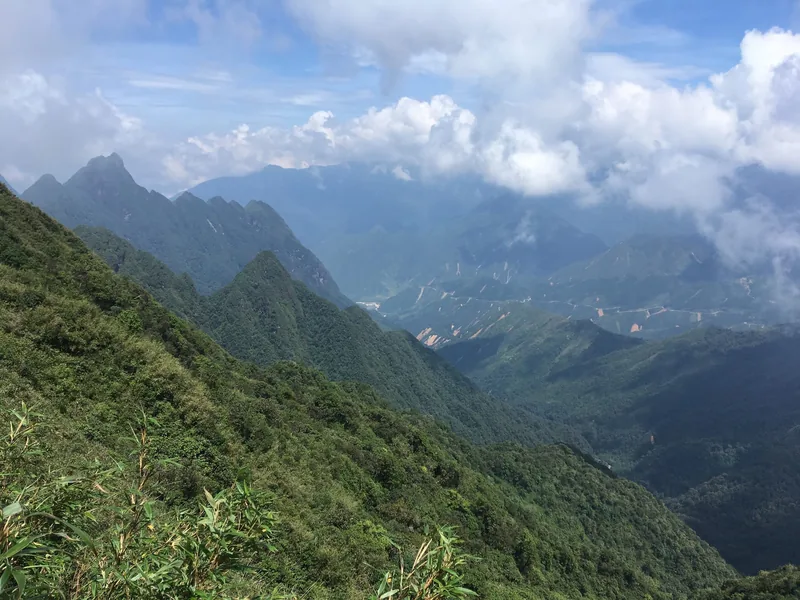
Pu Ta Leng, Bach Moc Luong Tu and Pu Si Lung compared: height, days, grade, season and permits.
Read more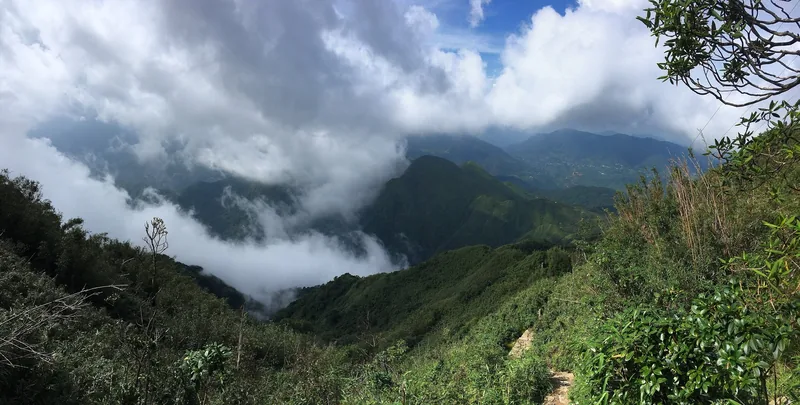
Destinations · Trekking
Pu Ta Leng
Pu Ta Leng trek: routes from Ta Leng commune, days, season, rules, costs and risks.
Read more
Stays
Homestays
What a night in a Lai Chau village homestay is like: beds, meals, washing, money and manners.
Read more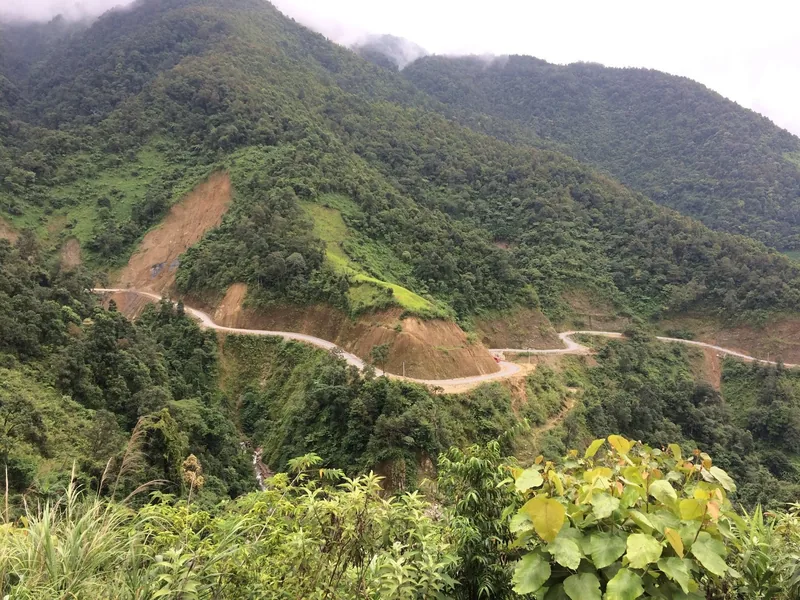
Safety
Road safety and weather
Landslides, fog, night buses and motorbike rules on Lai Chau's mountain roads, with dated examples.
Read more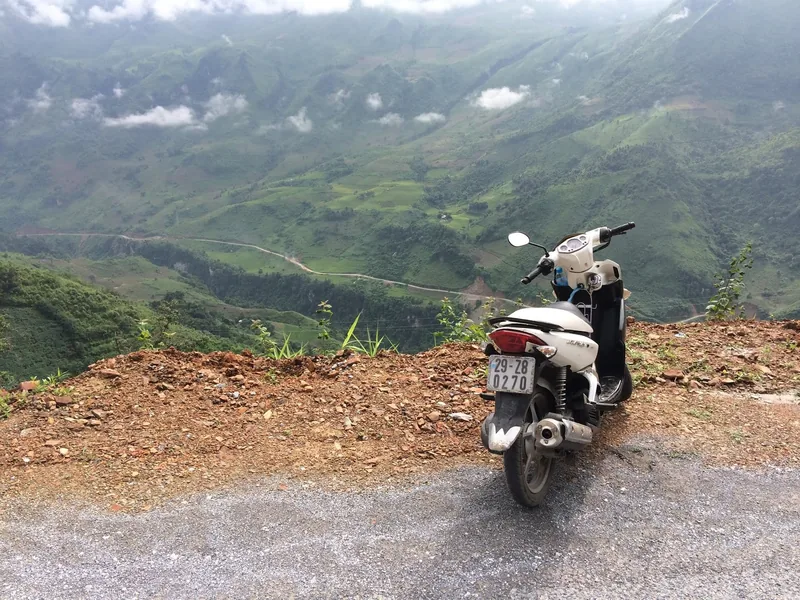
Getting there
Getting there
Coaches and roads from Hanoi and Sa Pa to Lai Chau, with distances, journey times and fares.
Read more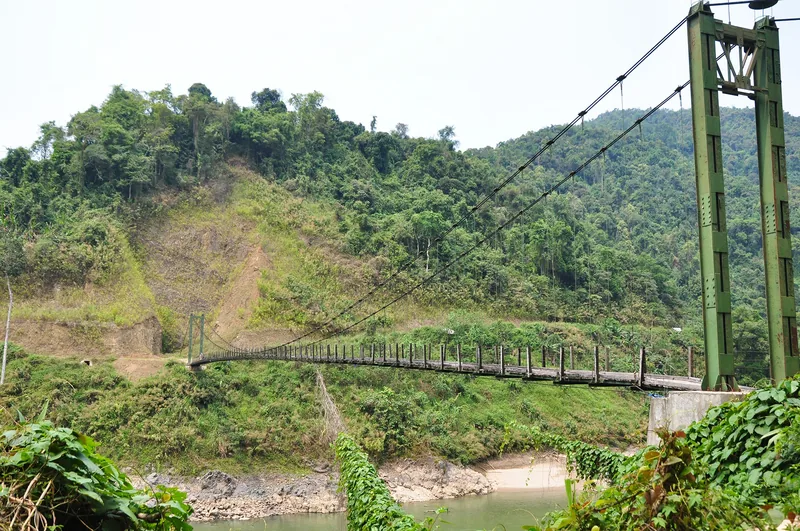
Start planning
Send a correction or a question
Tell us which page you mean, what you found on the road, the trail or an official site, and when. A link to the source helps us check it.