 Passes, peaks, terraces and villages of Lai Chau, in English
Safety
Road safety and weather on Lai Chau's mountain roads
The roads into Lai Chau climb from a few hundred metres to above 2,000 m and back in an afternoon. Rain, fog and landslides cause most of the trouble, and heavy traffic on narrow bends does the rest. This page covers what to expect and what official advice says.
What official advice says
- Compliance with road laws is poor; keep your speed down and stay alert.
- Bus and coach crashes are more likely at night.
- Travelling by motorbike is much riskier than in the UK.
- Drivers need the 1968 international driving permit plus their licence, and third-party insurance is compulsory.
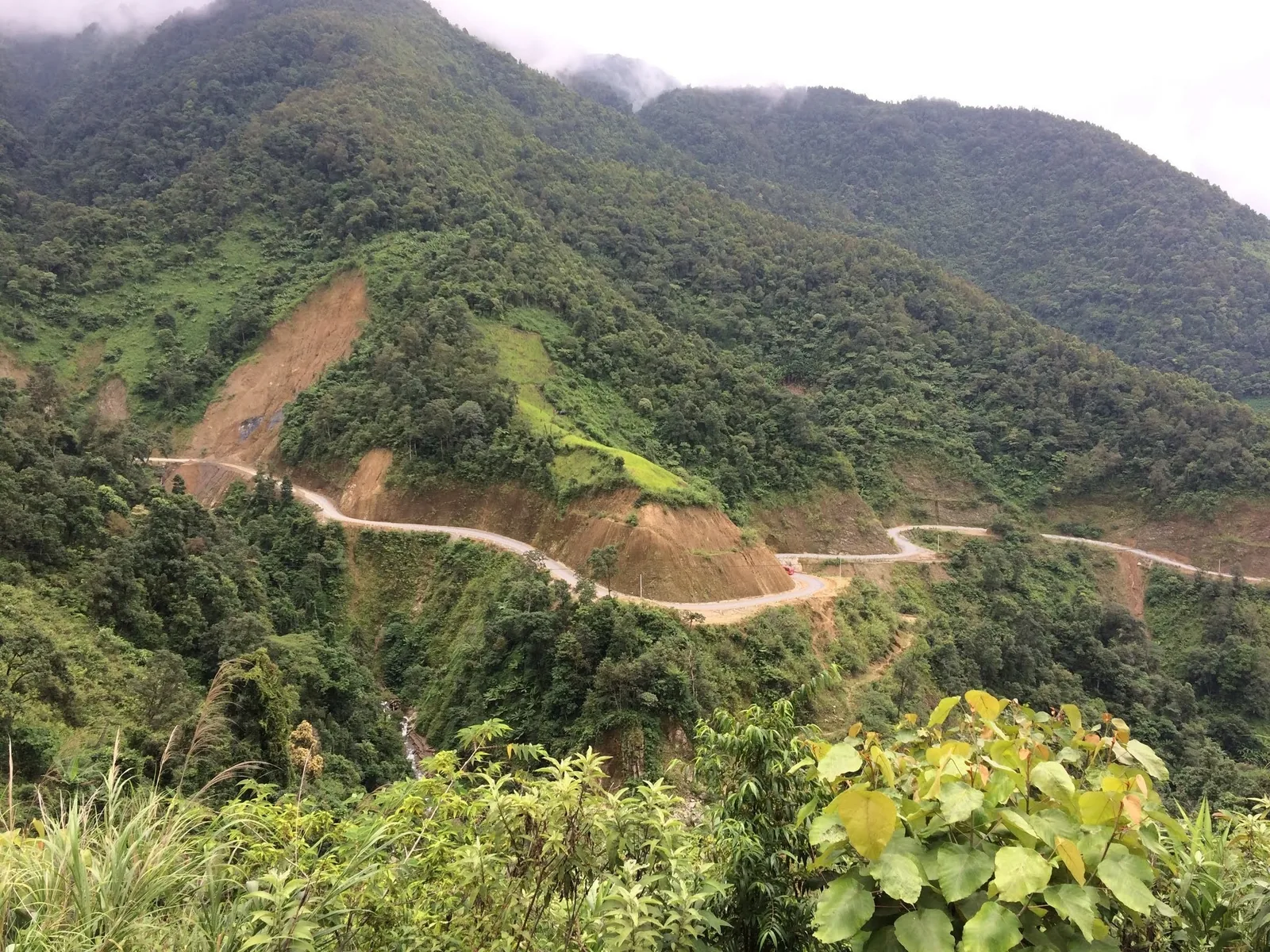
- In the rainy season, roads may be blocked by mudslides and landslides.
- Tropical cyclones normally affect Vietnam from May to November.
These are the UK Foreign Office's own points, paraphrased; read the full advice before you travel.
Sources: UK Foreign Office — Vietnam safety and security · last checked .
Landslides: recent examples
Landslides on Highway 4D, the road over O Quy Ho, are not rare events. Two recent cases show the pattern:
| Date | Where | What happened |
|---|---|---|
| 11 July 2025 | Km 91+500, Ban Ho (Lao Cai side), and the O Quy Ho eco-tourism area, Binh Lu (Lai Chau side) | Slides after prolonged heavy rain; one lane blocked; bungalows affected; no injuries reported |
| 4 May 2026 | Km 120+900, Ta Phin (Sa Pa side) | Boulder of several tonnes blocked the road from about 02:15; cleared about 09:30 |
Both were cleared within hours, but a bus or car caught behind a slide can wait half a day. On the road to Sin Ho, an independent guide warns that landslides can add substantial delays to bus times.
Sources: Lao Cai Newspaper — landslides on Highway 4D, 11 July 2025; DTiNews — boulder blocks Highway 4D, 4 May 2026; Travelfish — getting to Sin Ho (independent guide) · last checked .
Weather by season on the roads
Our planning assessment from the sources on this page: June to August brings the heaviest rain and most slides; December to February brings cold fog on the high passes.
The rainy months in Lai Chau run roughly from June to August, with storms starting in May and lingering into September. A 2024 press handbook advises avoiding travel when rain is heavy. In winter, the Sa Pa side of the pass can be cold and foggy while the Lai Chau side stays mild; frost and occasional snow are possible at the summit.
Sources: VnExpress — Lai Chau travel handbook (2024); Lai Chau provincial tourism portal — O Quy Ho pass; UK Foreign Office — Vietnam safety and security · last checked .
Fog on the pass
O Quy Ho is named for its cloud. Visibility at the summit can fall to a few metres in minutes. If it does: slow down, switch on lights, keep to your side, and stop only where you can get fully off the road. Hazard lights on a parked vehicle in fog on a bend are not enough protection from a descending truck.
Sources: Lai Chau provincial tourism portal — O Quy Ho pass; Vietnam National Authority of Tourism — O Quy Ho pass · last checked .
Riding a motorbike
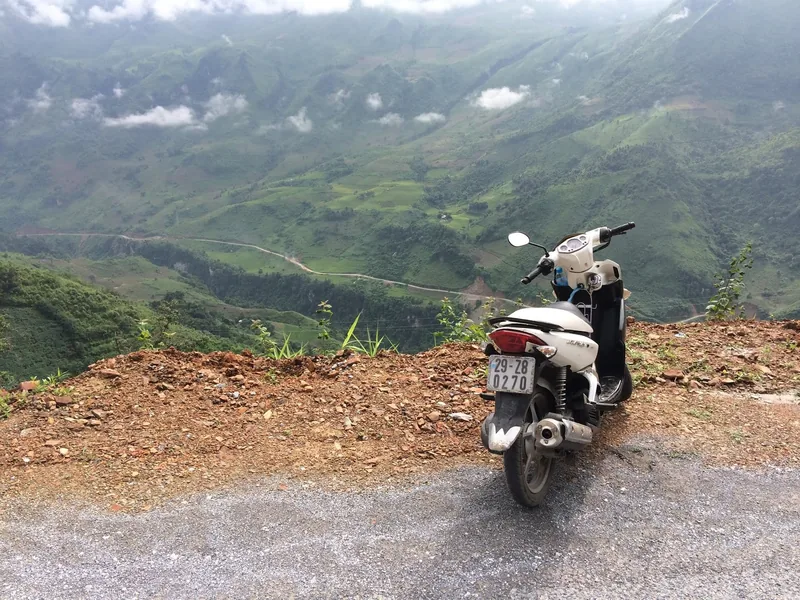
Riding the Sa Pa–Lai Chau–Highway 32 loop is popular, and it is also where most visitor accidents happen. The legal minimum is the 1968 international driving permit with a licence valid for motorbikes, and third-party insurance. Travel insurance commonly refuses claims from unlicensed riders. Wear a proper helmet, not a thin cap.
- Descend in a low gear; brakes overheat on the long Lai Chau side of the pass.
- Expect gravel and mud on bends after rain, and water across the road below cuttings.
- Assume that buses and trucks will use the whole road on hairpins.
- Stop riding before dark; unlit animals, people and potholes are common.
- Do not ride in heavy rain or when slides have been reported.
Sources: UK Foreign Office — Vietnam safety and security · last checked .
Night buses
Sleeper coaches from Hanoi often travel overnight and cross the pass in darkness. The UK Foreign Office notes that coach crashes are more likely at night. Daytime departures take a full day but let you see the road and arrive in daylight. If you take a night bus, keep valuables on you and wear the seat belt where there is one.
Sources: UK Foreign Office — Vietnam safety and security · last checked .
Hiring a car with driver
Many visitors avoid riding altogether and hire a car with a local driver for the pass and the loops. It removes the licence and insurance question and puts someone who knows the road at the wheel. Agree the route, the stops and the number of days in writing, ask whether fuel, tolls and the driver's food and room are included, and say plainly that you prefer a slower, careful drive. A driver who wants to make up time on wet hairpins is a reason to stop and talk.
Before you set off each day
- 01
Check the weather
Look at the forecast for both sides of the pass, not only your start point.
- 02
Ask about slides
Ask your accommodation or driver whether Highway 4D or your side road is open.
- 03
Leave early
Mornings are clearer and give daylight to deal with delays.
- 04
Carry cash and water
If traffic stops behind a slide, there may be nothing nearby.
- 05
Have a fallback night
Know where you will sleep if the road does not reopen.
If something goes wrong
The ambulance number in Vietnam is 115. Medical facilities in rural Lai Chau are basic, and serious cases are moved to larger hospitals in Lao Cai or Hanoi. The UK Foreign Office advises insurance that covers local treatment and medical evacuation, including air ambulance.
Sources: UK Foreign Office — Vietnam health · last checked .
Common questions
Questions readers ask
Is it safe to drive O Quy Ho pass in the rainy season?
It is often open, but slides happen most years between June and August. Drive in daylight, check the road each morning and keep a spare day.
Can I ride a motorbike without a licence?
Official advice says you need the 1968 international driving permit plus your licence, and insurance may not cover you without them.
Are night buses to Lai Chau safe?
Many people use them, but official advice notes that bus crashes are more likely at night. A day bus is the lower-risk option.
Does it snow in Lai Chau?
Occasionally, on the summit of the pass and on high plateaus such as Sin Ho in the coldest weeks of winter.
Related
Read next
Getting there
Getting there
Coaches and roads from Hanoi and Sa Pa to Lai Chau, with distances, journey times and fares.
Read more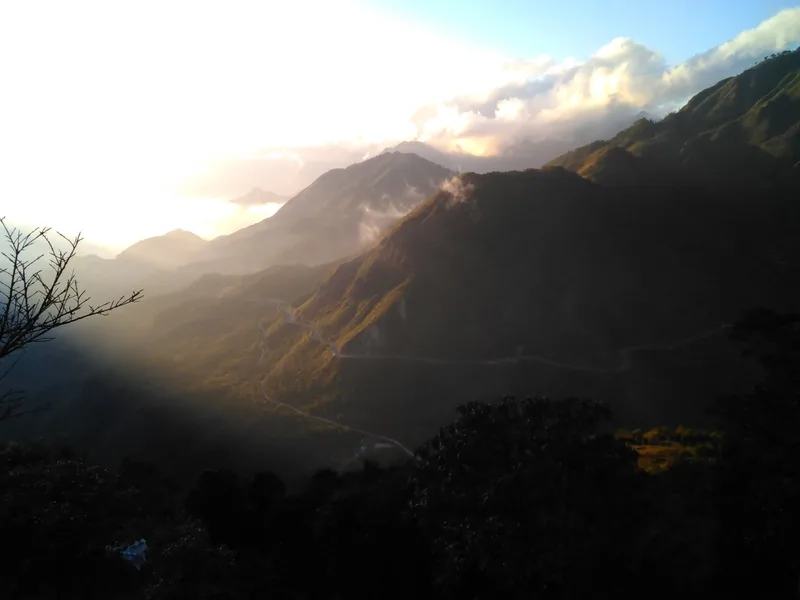
Seasons
When to go
Month-by-month guide to Lai Chau for road trips, treks, rhododendrons and the rice harvest.
Read more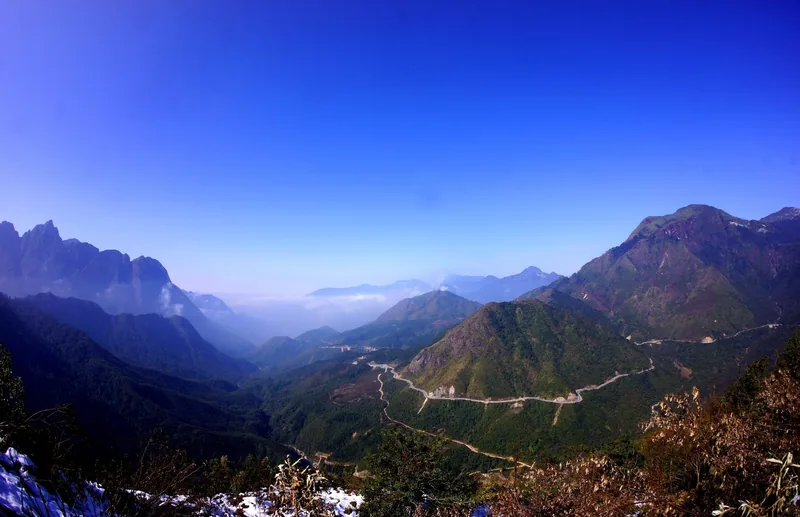
Destinations · Highway 4D
O Quy Ho pass
Highway 4D over the Hoang Lien range: distances, weather, the glass bridge and road safety.
Read more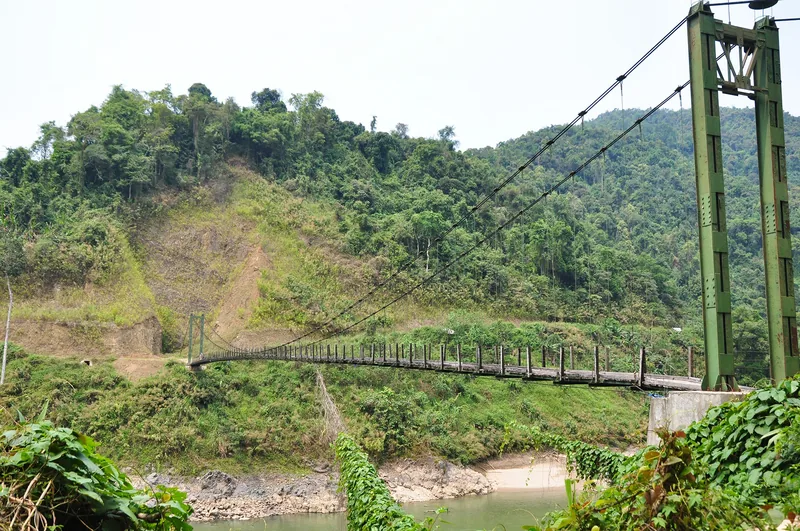
Practical rules
Permits and registration
Border-area rules, temporary residence declarations and forest rules that apply to visitors in Lai Chau.
Read more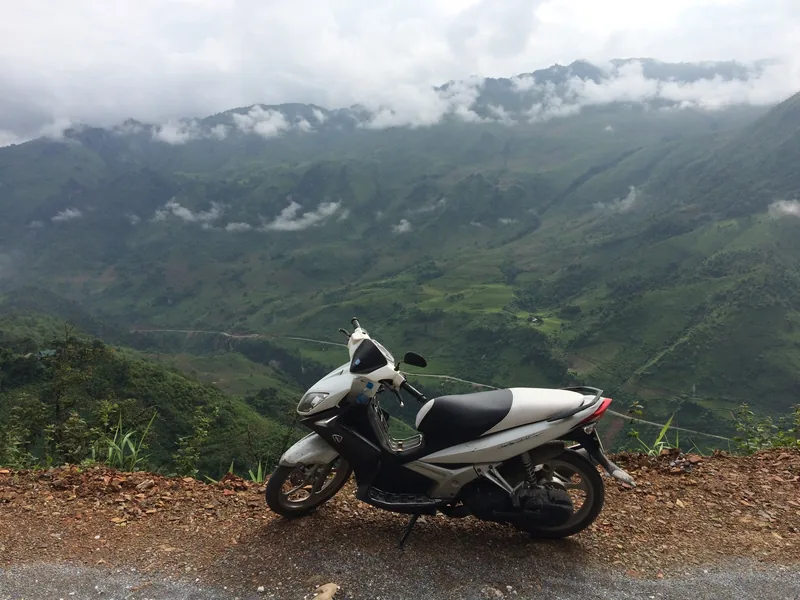
Planning
How many days
Suggested loops in Lai Chau from Sa Pa and Hanoi, with days, distances and where short trips fail.
Read more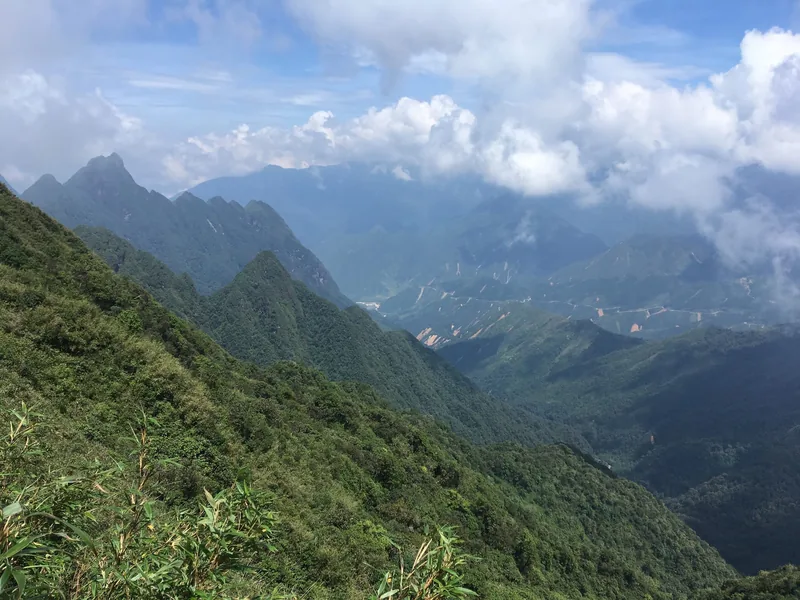
Trekking
Trekking peaks
Pu Ta Leng, Bach Moc Luong Tu and Pu Si Lung compared: height, days, grade, season and permits.
Read more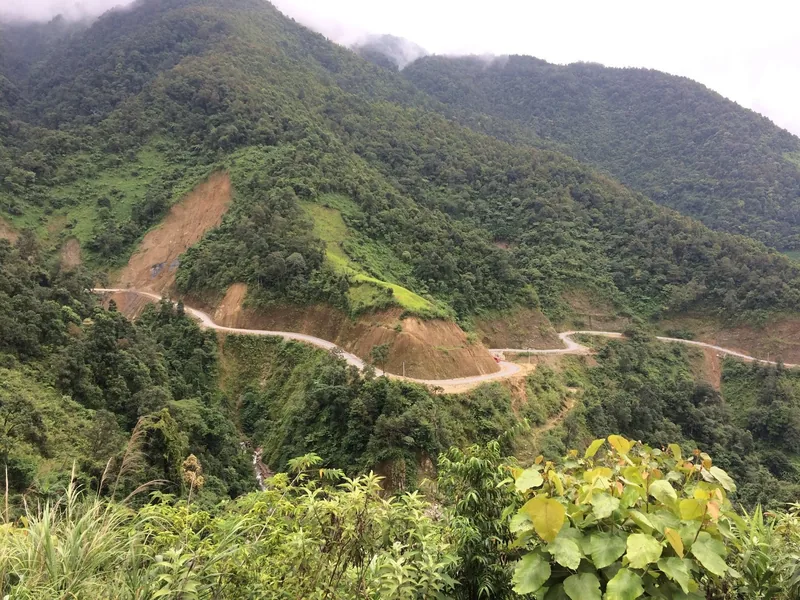
Start planning
Send a correction or a question
Tell us which page you mean, what you found on the road, the trail or an official site, and when. A link to the source helps us check it.