 Passes, peaks, terraces and villages of Lai Chau, in English
This guide
About this guide and how we check it
Lai Chau Tourism is an independent, English-language guide to Lai Chau province for people who travel by road or on foot. This page explains who writes it, where facts come from, what the dates mean, what we do not do, and how to correct us.
Who writes it
The pages are written and checked by the Lai Chau Tourism editors, who are named as the author on every page. The guide covers one province in depth rather than a country in outline: its roads and passes, its trekking peaks, its villages and homestays, its seasons, and the practical rules that apply to visitors. It is published in English only.
The editors work from published sources, listed under each block of facts, rather than from sponsored visits. Where a fact depends on local knowledge that no source records, such as how a homestay usually arranges washing, the page says so in general terms rather than presenting it as a measured fact.
Where the facts come from
We use sources in this order of preference:
- Official sources: the Lai Chau provincial tourism portal, national government resolutions and decrees, and the Vietnam National Authority of Tourism.
- Travel advice published by foreign ministries, which states its own revision date.
- National and provincial press, such as Vietnam News Agency titles and the Lao Cai provincial newspaper, for dated events such as landslides, awards and harvest reports.
- Independent guides, magazines and commercial services such as booking platforms and airline guides, clearly labelled as such in the source line, and used where nothing official answers the question.
When two sources disagree, as they do on the height of the O Quy Ho summit or the glass bridge ticket price, the page shows both, or a range. When we cannot confirm something, the page says so. We would rather leave a gap than fill it with something that sounds right.
What the dates mean
Each page shows when it was published and last reviewed. Each block that contains a fact that can change, such as a price, a distance, a permit rule or a road incident, has a source line beneath it with a date marked “last checked”. That is the day an editor read the cited source and compared it with the page, not the day the site was rebuilt.
A “last checked” date is a statement about our work, not a promise about the road. Highway 4D can close in an hour, and a commune can apply a rule differently from the national text. Before you travel, open the source link and check it yourself.
What we do not do
- We do not sell tours, treks, transport, tickets or accommodation, and we take no bookings.
- We do not name, rank or rate tour companies, guides, hotels or homestays.
- We do not publish paid placements, sponsored mentions or affiliate links inside the editorial text.
- We do not write ranked lists; places are described by what they are and when they suit a trip.
- We do not cover Vietnamese-language readers; this guide is in English.
Where a page says a local guide is needed, for example on a peak, that is a safety and legal point drawn from official advice and local rules. We do not recommend particular guides.
Advertising
The site carries advertising spaces. They are labelled “Advertisement”, placed in fixed positions on the page, and kept visually separate from the editorial text. Advertisers have no say over what pages say, which places are covered or how they are described, and no advertising appears inside articles as text.
Advertising enquiries can be sent through the form on the contact page. Pages about this guide itself, such as the contact page, carry no advertising.
What we do badly
- Real-time road status. A slide on Highway 4D will not show here until it is reported and checked.
- Remote areas. Muong Te and the far west are covered only as far as Pu Si Lung.
- Prices at the level of individual businesses. We give ranges from published sources, not quotes.
- Permit procedures that are not written down. Where only an old report exists, we say so.
Corrections
If a page is wrong, out of date or unclear, tell us through the form on the contact page or by email to info@laichautourism.com. The most useful reports say which page and sentence, what you found instead, when, and how you know: a link to an official source, or what happened on the road or the trail and on what date.
Every report is read by an editor. When a correction is confirmed, we change the page, update its review date and the “last checked” date of the block concerned, and record significant changes in the log below. Credible reports we cannot confirm may be added as a traveller report, labelled as such.
Corrections log
First edition published on 25 October 2026. No corrections recorded yet.
Common questions
Questions readers ask
Who writes Lai Chau Tourism?
The Lai Chau Tourism editors, who are named as the author on every page.
Do businesses pay to appear in the guide?
The guide does not name or rate businesses, and there are no paid placements in the text. Advertising is labelled and kept separate.
Why do some sources look old?
On a few points, such as the permit for Pu Si Lung, the newest description we found is several years old. We show the date so you can judge it, and ask readers to tell us if it has changed.
How do I report a mistake?
Use the form on the contact page, or email info@laichautourism.com, with the page, the problem and how you know.
Related
Read next
This guide
Contact
How to send the editors a correction, a question or an advertising enquiry.
Read more
Independent guide · North-west Vietnam
Home
Start here: the guide to Lai Chau's roads, treks, seasons, villages and homestays.
Read more
Destinations
Destinations
The main areas of Lai Chau, how far apart they are, and which season suits each.
Read more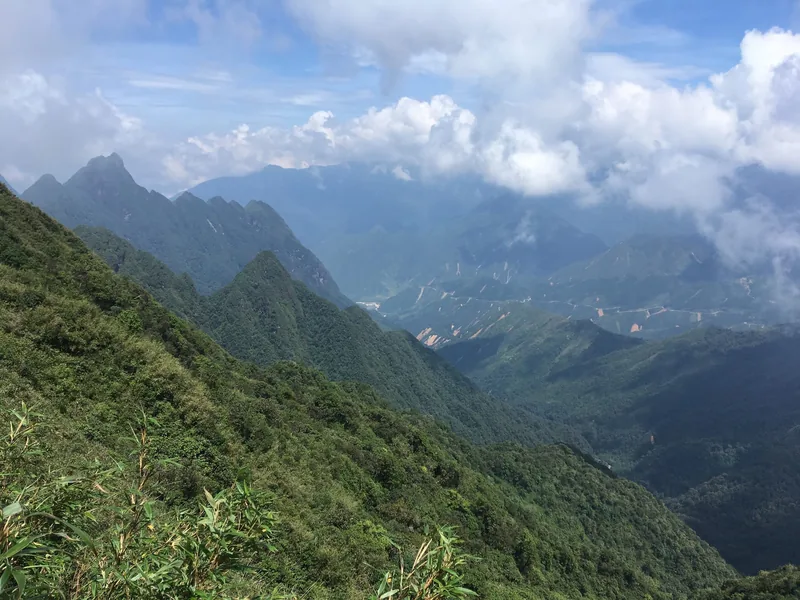
Trekking
Trekking peaks
Pu Ta Leng, Bach Moc Luong Tu and Pu Si Lung compared: height, days, grade, season and permits.
Read more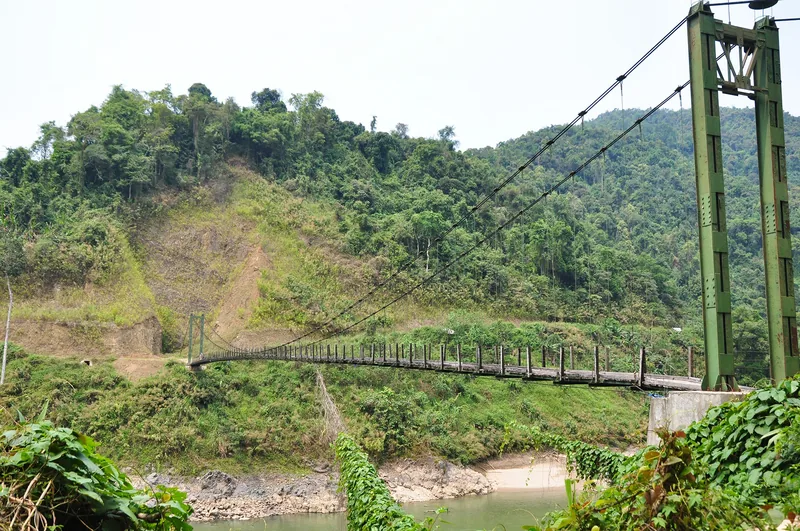
Practical rules
Permits and registration
Border-area rules, temporary residence declarations and forest rules that apply to visitors in Lai Chau.
Read more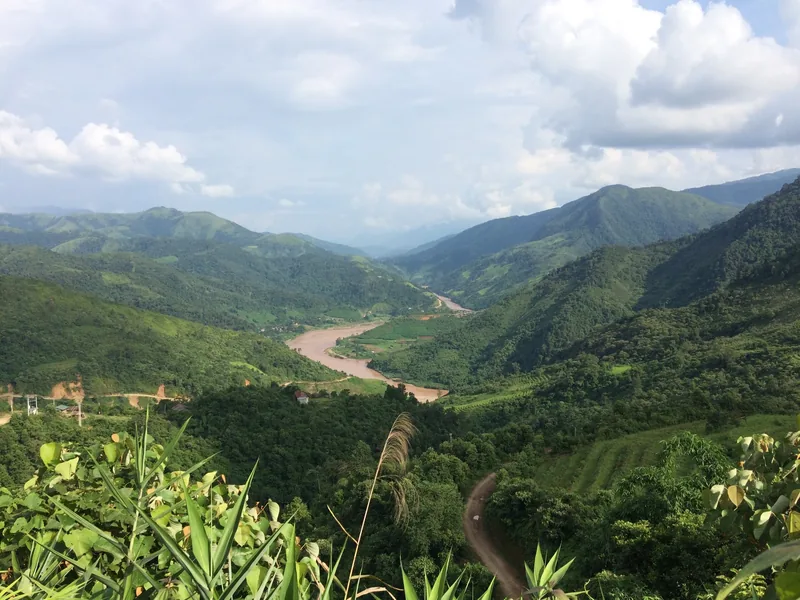
Start planning
Send a correction or a question
Tell us which page you mean, what you found on the road, the trail or an official site, and when. A link to the source helps us check it.