 Passes, peaks, terraces and villages of Lai Chau, in English
Destinations · Sin Ho · Phong Tho
Sin Ho plateau and the villages of Phong Tho
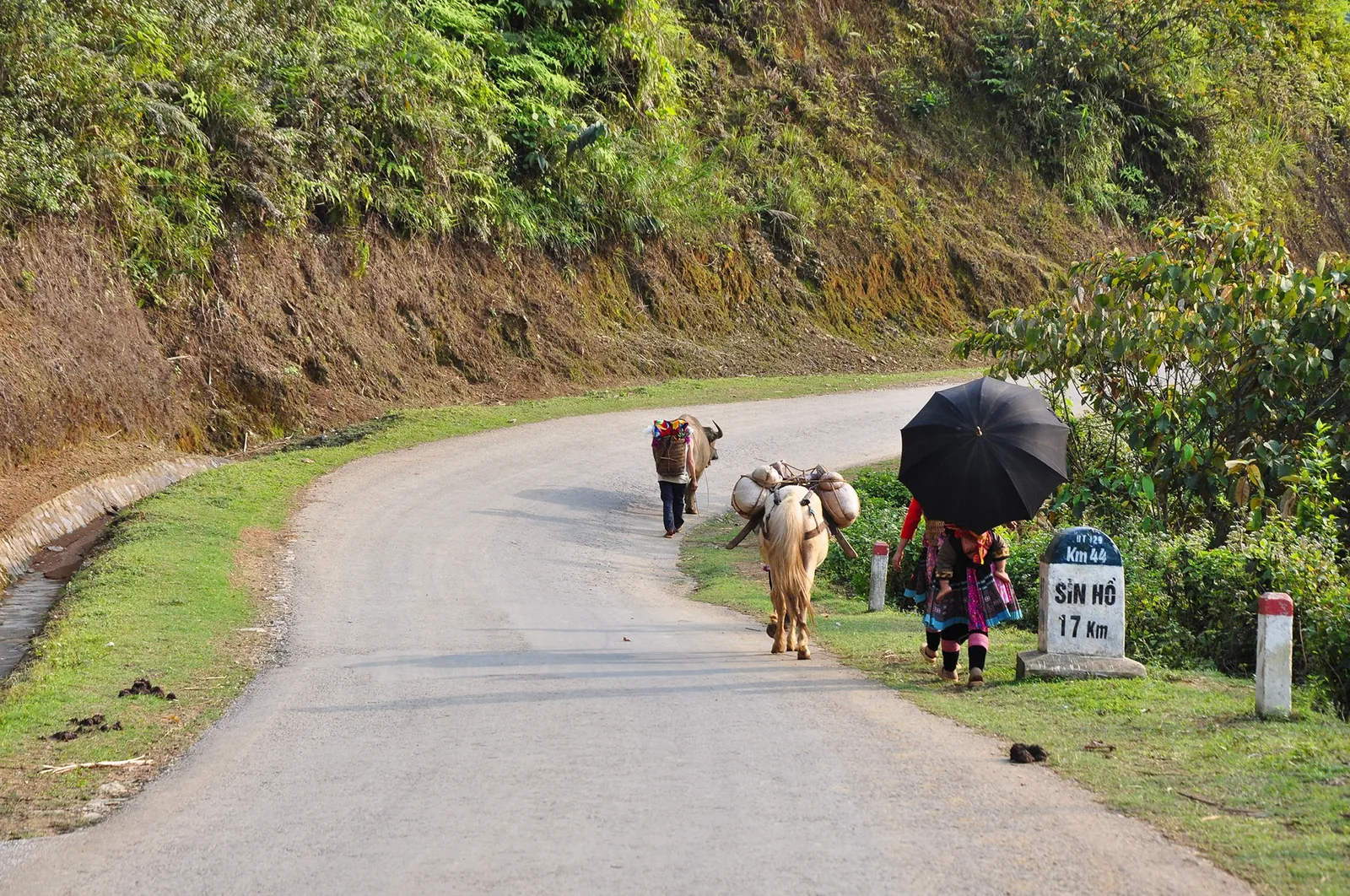
West of the provincial centre, Sin Ho sits on a plateau at about 1,500 m with Mong, Dao and Thai villages and weekend markets. North, in Phong Tho, Sin Suoi Ho has turned community tourism into an award-winning village. Both are quieter than Sa Pa, and both are a long way from anywhere.
At a glance
- Sin Ho altitude
- About 1,500 m; Sa De Phin over 1,700 m
- From Lai Chau centre
- About 60 km west
- Sin Suoi Ho
- About 30 km north, over 1,500 m
- Average temperature
- About 18°C on the plateau
- People
- Mong, Dao and Thai
- Nights
- Two, split between the two areas
Sources: Viet Nam News — Sin Ho plateau (2026); Vietnam National Authority of Tourism — Sin Ho plateau; Vietnam National Authority of Tourism, ethnic tourism portal — Sin Suoi Ho award 2025 · last checked .
What Sin Ho is really like
Sin Ho is a high, rolling plateau rather than a single viewpoint. The Vietnam National Authority of Tourism calls it the roof of Lai Chau; a 2026 report gives an average altitude of about 1,500 m and a mild climate averaging about 18°C, rarely touched by typhoons, with the occasional winter snowfall. The communes of Sin Ho town, Sa De Phin, Phang So Lin and Ta Phin were joined in 2025 into a single Sin Ho commune.
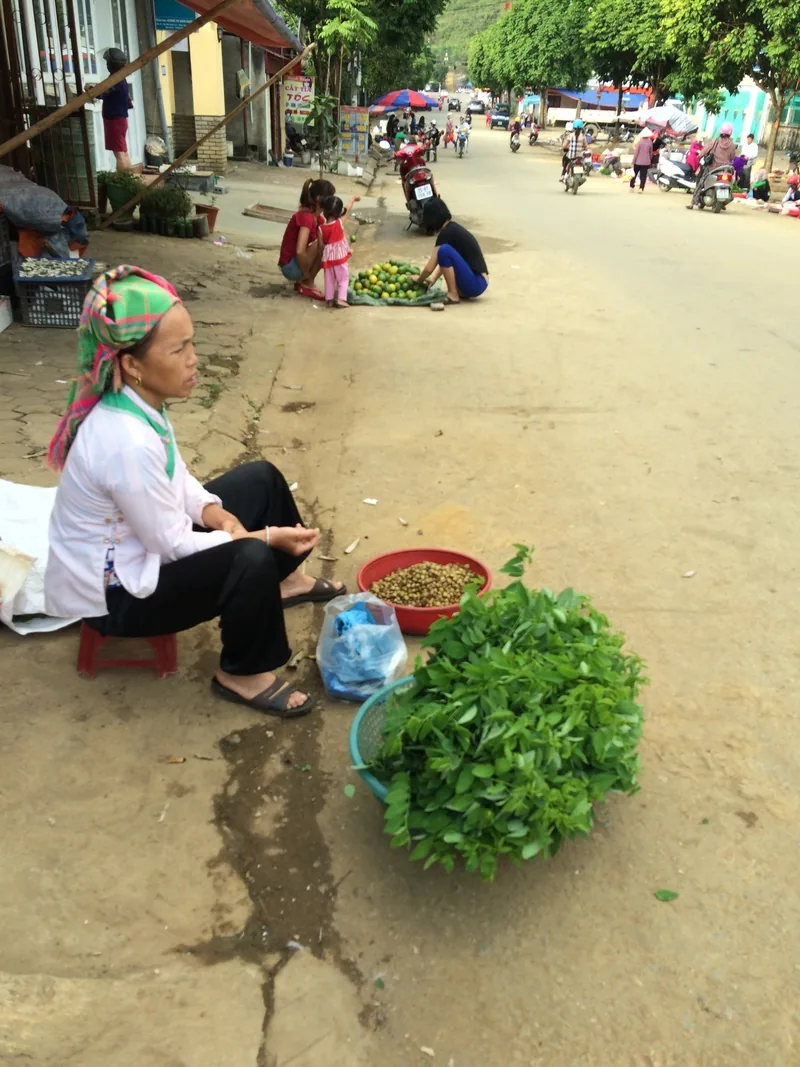
The draw is everyday highland life at altitude: Mong and Dao hamlets, terraced slopes, weekend markets, stone houses in Ta Phin that a recent report dates to more than 200 years, the old tea forests of Sa De Phin above 1,700 m, and limestone features such as Da O mountain and Ong Tien cave. The Pu Sam Cap cave complex and the Le Loi stele, a national relic at Pu Dao, are on the official list of sights.
It is not a resort. Facilities are simple, English is rare, and the town itself is small and functional. People who call it a second Sa Pa mean the landscape, not the services. If you want cafés and trekking shops, Sa Pa is the other side of the pass.
Sources: Vietnam National Authority of Tourism — Sin Ho plateau; Viet Nam News — Sin Ho plateau (2026); Hoatieu — text of Resolution 1670/NQ-UBTVQH15 (new communes and their components) · last checked .
The Phong Tho villages
Sin Suoi Ho
About 30 km from the provincial centre and above 1,500 m, Sin Suoi Ho is a Hmong village that has built its economy around visitors. The national ethnic-tourism portal reports nearly 40 households involved in tourism, 20 of them running homestays, and about 70,000 visitors in 2024. It won an ASEAN Community Tourism Award in 2023 and took the community-based tourism destination award at the Vietnam Tourism Awards in September 2025.
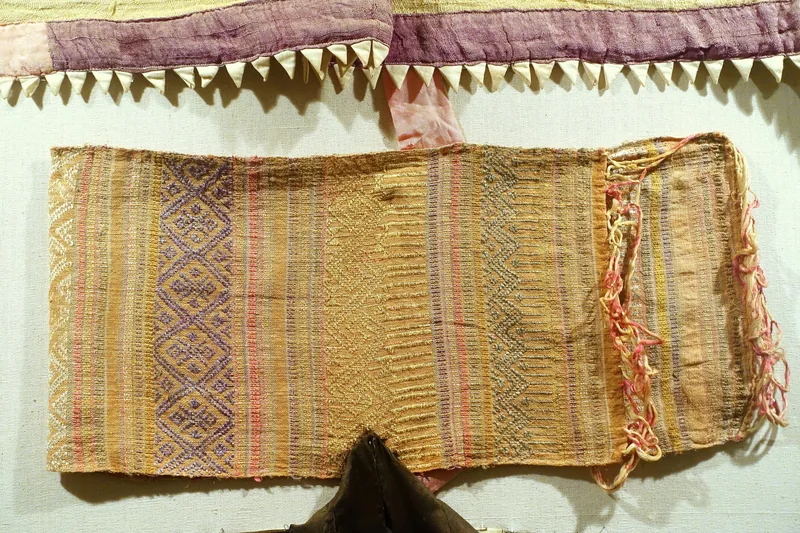
Visitors walk to the Love and Heart waterfalls, see orchid gardens and brocade weaving, and eat with families. The village is also the start of the Lai Chau-side route to Bach Moc Luong Tu. Since 2025 it gives its name to a larger commune that includes the former Nam Xe and Then Sin.
Vang Pheo and the Thai valleys
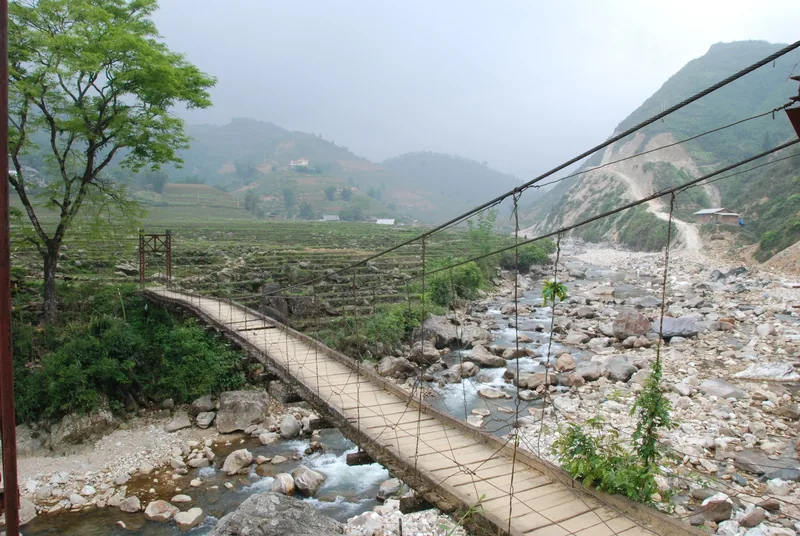
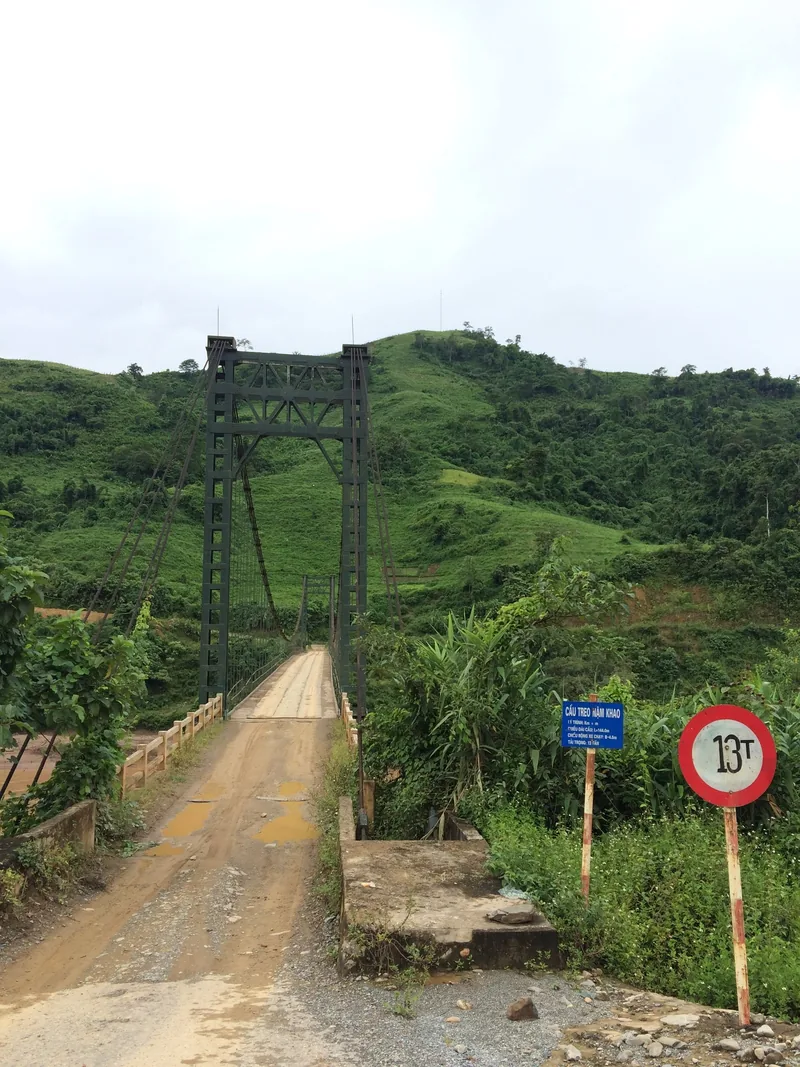
Lower down, Thai villages such as Vang Pheo, about 30 km from the provincial centre, sit among rice paddies with a suspension bridge and brocade for sale. Our source for Vang Pheo dates from 2012, so check locally what visitor facilities exist now.
Sources: Vietnam National Authority of Tourism, ethnic tourism portal — Sin Suoi Ho award 2025; Vietnam Tourism Association portal — Sin Suoi Ho and the ASEAN award; Lao Cai Newspaper — the Ky Quan San trek; Government news portal — Vang Pheo village; Hoatieu — text of Resolution 1670/NQ-UBTVQH15 (new communes and their components) · last checked .
How many nights
Two nights is the useful minimum: one on the plateau, so that you see a morning there rather than only a midday drive, and one in Sin Suoi Ho or another Phong Tho village. One night forces a choice between the two. The road to Sin Ho alone is about two hours each way from the provincial centre by bus, and longer in a car that stops.
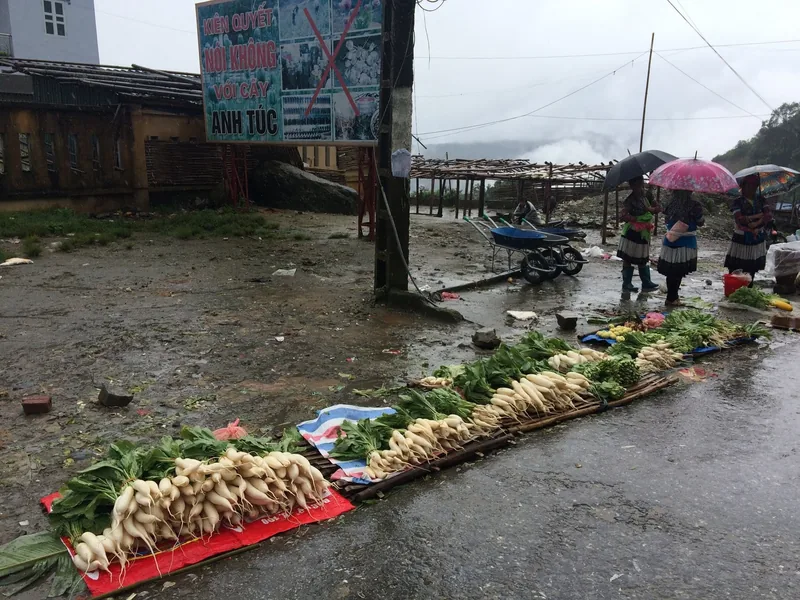
Market days decide the order. The official description says highland markets are held at weekends; confirm the exact day for the market you want locally, because village markets can rotate.
When to go
| Months | What you get | What to watch |
|---|---|---|
| October–November | Dry, clear, harvested fields | Cold nights at 1,500 m |
| December–February | Cold, sometimes frosty; Lunar New Year activity | Occasional snow; road ice is rare but possible |
| March–April | Blossom on the slopes, mild days | Haze from field burning some years |
| May | Water in the terraces | First heavy storms |
| June–August | Green, quiet | Heavy rain; landslides on the road to Sin Ho |
| September | Ripening rice | Late storms |
The month notes combine the sources below with our own assessment; there is no official month chart for Sin Ho.
Sources: Viet Nam News — Sin Ho plateau (2026); Tien Phong — rice terraces of Lai Chau (2024); VnExpress — Lai Chau travel handbook (2024); Travelfish — getting to Sin Ho (independent guide) · last checked .
Getting there
Sin Ho is reached by a mountain road from the provincial centre. Travelfish lists buses from Sin Ho to Lai Chau taking about two hours for about VND 50,000, and to Muong Lay about three hours, but warns that landslides can add substantial delays. Sin Suoi Ho is about 30 km north of the provincial centre; motorbike taxis and private cars are the usual way in. Read getting there for the long-distance legs.
Sources: Travelfish — getting to Sin Ho (independent guide); Vietnam National Authority of Tourism, ethnic tourism portal — Sin Suoi Ho award 2025 · last checked .
Costs we can source
| Item | Range | Note |
|---|---|---|
| Homestay night, Sin Suoi Ho | VND 300,000–800,000 | 2024 press figures, per room or person depending on house |
| Bus Sin Ho–provincial centre | About VND 50,000 | Independent guide, undated |
| Hotel night, provincial centre | VND 200,000–1,200,000 | 2024 press figures |
Meals at homestays are usually charged separately; ask before you sit down. Check before you go.
Sources: VnExpress — Lai Chau travel handbook (2024); Travelfish — getting to Sin Ho (independent guide) · last checked .
Staying in a village
Homestays here range from a mattress in a shared loft to private rooms with a hot shower. The accommodation operator has to declare foreign guests to the police, within 24 hours in remote and mountainous areas, so carry your passport. Read homestays and village stays for what to expect and how to behave in a family's house.
Sources: Vietcetera — temporary residence rules for foreigners (2026) · last checked .
Pictures
Who should skip this, and when not to go
- Travellers who need English-speaking services, cafés or ATMs on hand; Sin Ho is small and basic.
- Anyone on a tight schedule in the rainy months, when the road to Sin Ho is prone to slides.
- People looking for a big-name sight; the appeal is daily life and landscape, not a single attraction.
- Visitors who are not comfortable sleeping in a shared family space; book a hotel in the provincial centre instead.
Common questions
Questions readers ask
Is Sin Ho worth the detour from the main road?
If you have at least two nights and want quiet highland villages, yes. If you have one day, the four-hour round trip leaves little time on the plateau.
When is the Sin Ho market?
The official description says highland markets are held at weekends. Confirm the day locally, because village markets can rotate.
How far is Sin Suoi Ho from the provincial centre?
About 30 km, according to the national ethnic-tourism portal.
Can I visit Sin Suoi Ho without staying overnight?
Yes, it is close enough for a half-day visit, but evenings and mornings are when village life is most visible.
Related
Read next
Stays
Homestays
What a night in a Lai Chau village homestay is like: beds, meals, washing, money and manners.
Read more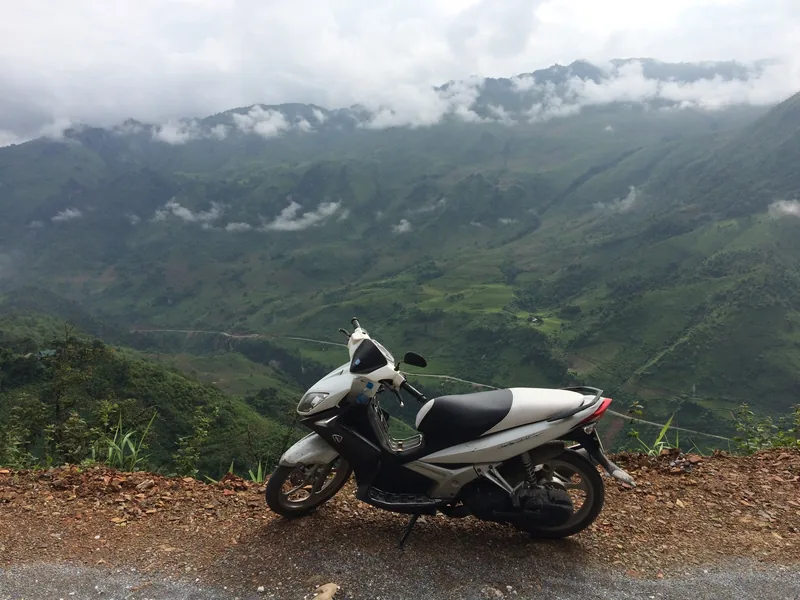
Planning
How many days
Suggested loops in Lai Chau from Sa Pa and Hanoi, with days, distances and where short trips fail.
Read more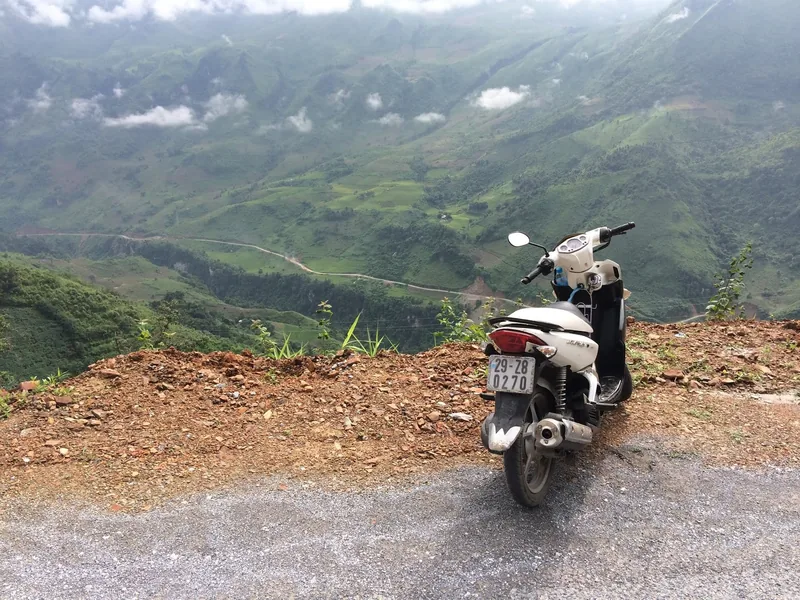
Getting there
Getting there
Coaches and roads from Hanoi and Sa Pa to Lai Chau, with distances, journey times and fares.
Read more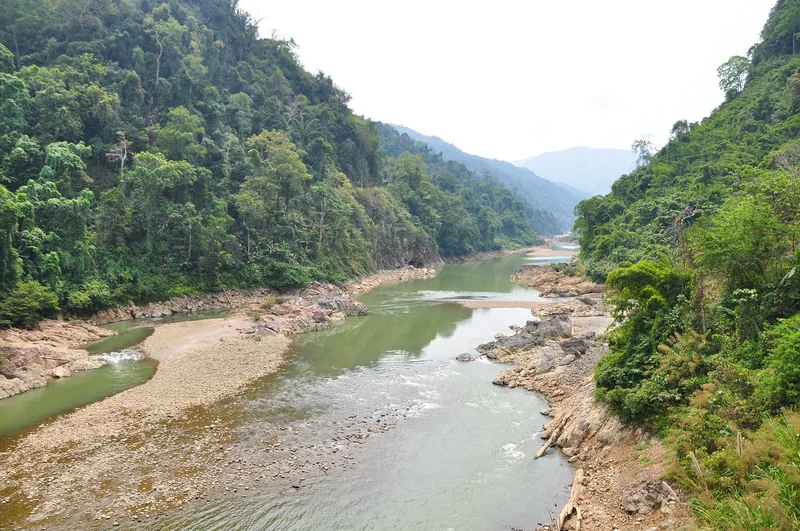
Destinations
Destinations
The main areas of Lai Chau, how far apart they are, and which season suits each.
Read more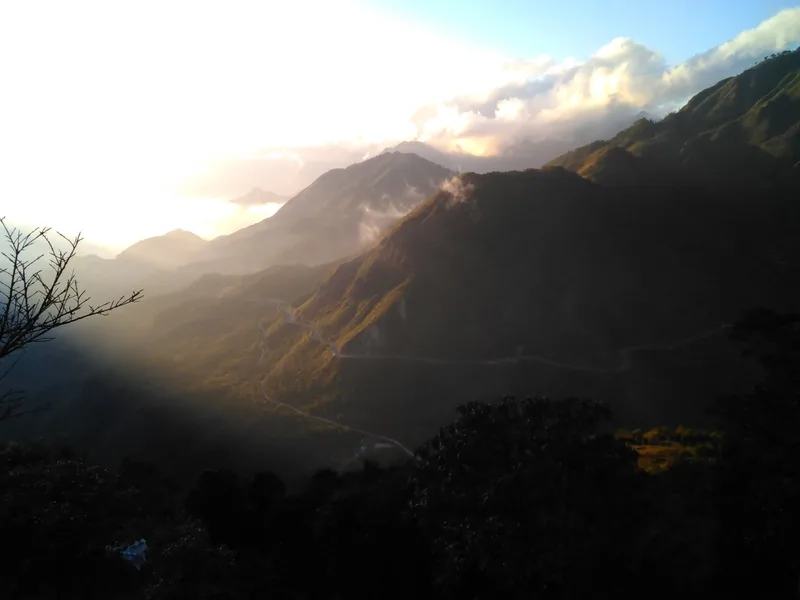
Seasons
When to go
Month-by-month guide to Lai Chau for road trips, treks, rhododendrons and the rice harvest.
Read more
Destinations · Rice and tea
Tan Uyen and Than Uyen
Tan Uyen tea hills and the Muong Than rice field: harvest timing, terraces, roads and when to skip them.
Read more
Start planning
Send a correction or a question
Tell us which page you mean, what you found on the road, the trail or an official site, and when. A link to the source helps us check it.