 Passes, peaks, terraces and villages of Lai Chau, in English
Stays
Homestays and village stays: what to expect
In Lai Chau's villages a homestay usually means a room or a mattress in a family's house, dinner with them and a morning that starts early. Some are simple, some are close to a guesthouse. This page explains what a night is like and how to get it right.
Where people stay
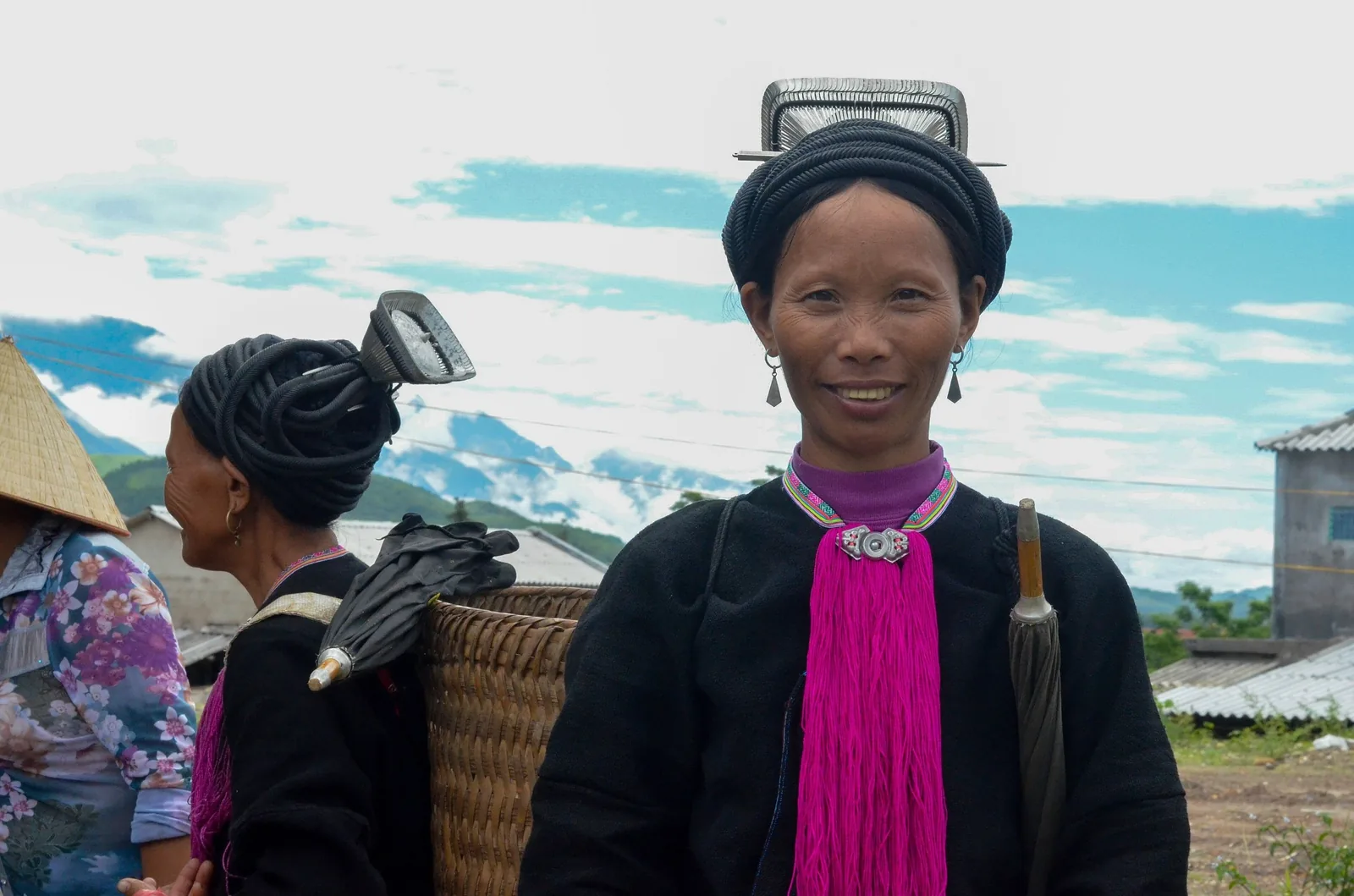
Most visitors combine a hotel in the provincial centre with one or two village nights. The villages that take guests regularly are community-tourism villages, where several families host and share the work. Sin Suoi Ho, a Hmong village in Phong Tho, has about 20 homestays among nearly 40 households involved in tourism. Si Thau Chai, a Dao hamlet at about 1,400 m near Pu Ta Leng, had 12 hosting households at the time of the report, with more planned.
| Village | People | Altitude | Notes |
|---|---|---|---|
| Sin Suoi Ho | Hmong | Over 1,500 m | About 30 km from the provincial centre; award-winning community tourism; start of a Bach Moc Luong Tu route |
| Si Thau Chai | Dao | About 1,400 m | Ta Leng commune; trailhead for Pu Ta Leng; road paved 2015 |
| Sin Ho plateau villages | Mong, Dao | About 1,500–1,700 m | Ta Phin offers community tourism; facilities vary |
| Thai valley villages | Thai | Lower valleys | Stilt houses near rice fields, for example Vang Pheo |
Sources: Vietnam National Authority of Tourism, ethnic tourism portal — Sin Suoi Ho award 2025; Vietnam Tourism Association portal — Si Thau Chai hamlet; Viet Nam News — Sin Ho plateau (2026); Government news portal — Vang Pheo village · last checked .
What a night is like
Beds
Expect either a mattress with a mosquito net on a raised wooden floor, often in a shared loft, or a small private room. Bedding is usually thick, because nights at 1,500 m are cold from October to March. Walls are thin and wooden; you will hear the family and the animals.
Washing
Many hosts now have a separate bathroom block with a hot shower and a flush or squat toilet. Older houses may have only a basic outside toilet. Hot water often depends on gas or solar heating and runs out if a group showers at once.
Meals
Dinner is usually eaten with the family: rice, vegetables from the garden, pork or chicken, and soup, sometimes with local rice wine. Breakfast may be noodles or sticky rice. Say clearly in advance if you do not eat meat, since the default is meat-based. Meals are often priced separately from the bed.
Daily rhythm
Families get up before dawn and go to bed early. Roosters start at 4 or 5 am. Evenings are short and quiet unless a group has booked a cultural performance.
Costs
| Item | Range | Note |
|---|---|---|
| Homestay night, Sin Suoi Ho | VND 300,000–800,000 | 2024 press figures; private room at the upper end |
| Hotel night, provincial centre | VND 200,000–1,200,000 | 2024 press figures |
| Meals, performances, guided walks | Priced by the host | Agree the price before, not after |
Bring cash in small notes. There are no ATMs in the villages, and card payment is rare. Check before you go.
Sources: VnExpress — Lai Chau travel handbook (2024) · last checked .
Paperwork
Your host must declare your stay to the police, and a 2026 explainer gives 24 hours as the deadline in remote and mountainous areas. You will be asked for your passport on arrival. If the village is in a border area, the commune police may also want to see you. This is routine; the permits page explains the rules.
Sources: Vietcetera — temporary residence rules for foreigners (2026); Decree 34/2014/ND-CP on land border areas, English text (LuatVietnam) · last checked .
Manners in a family house
- Ask before photographing people, especially older women and children, and accept a no.
- Take off your shoes where the family does; watch which part of the floor they keep clean.
- Do not touch or step over the household altar or the hearth; in many Hmong and Dao houses these are sacred.
- Accept a first glass of rice wine if offered, then decline the rest politely if you prefer; nobody expects you to keep up.
- Dress modestly in the village, and keep voices low after dark.
- Pay what was agreed. Gifts for children such as sweets encourage begging; school supplies given through the host are better received.
How to choose
We do not name or rate homestays. Ask a few practical questions instead: private room or shared loft, hot shower, what dinner costs, whether someone speaks English, and whether they can arrange a guide or transport. In community villages, hosts often share bookings, so the house you stay in may change; that is normal.
If you are trekking, staying with a family at the trailhead the night before means an early start without a long drive, and the host can usually arrange porters and registration.
What to bring
- A head torch: paths between houses are unlit, and power cuts happen.
- Warm clothes for the evening from October to March; houses are not heated beyond the kitchen fire.
- Flip-flops for the bathroom, a small towel and your own toiletries.
- Earplugs, for roosters, dogs and early starts.
Who should skip a homestay
- Light sleepers who need silence and darkness; houses wake with the animals.
- Travellers who need a private bathroom and reliable hot water, which is not available in every house; book a hotel.
- Anyone with strict dietary needs who cannot explain them in advance.
- People who want privacy in the evening; you will be in the family's living space.
Common questions
Questions readers ask
Are homestays in Lai Chau safe?
Community-tourism villages host visitors regularly. Keep valuables with you, agree prices in advance and tell someone where you are staying.
Do homestays have hot water?
Many now do, through gas or solar heaters, but supply can be limited. Older houses may not.
Can I just turn up without booking?
In community-tourism villages you often can outside weekends and holidays, but arriving after dark is unwise. Booking a day ahead is safer at harvest and in the rhododendron season.
How much does a homestay cost?
Press figures for Sin Suoi Ho give VND 300,000 to 800,000 a night, with meals usually extra.
Related
Read next
Destinations · Sin Ho · Phong Tho
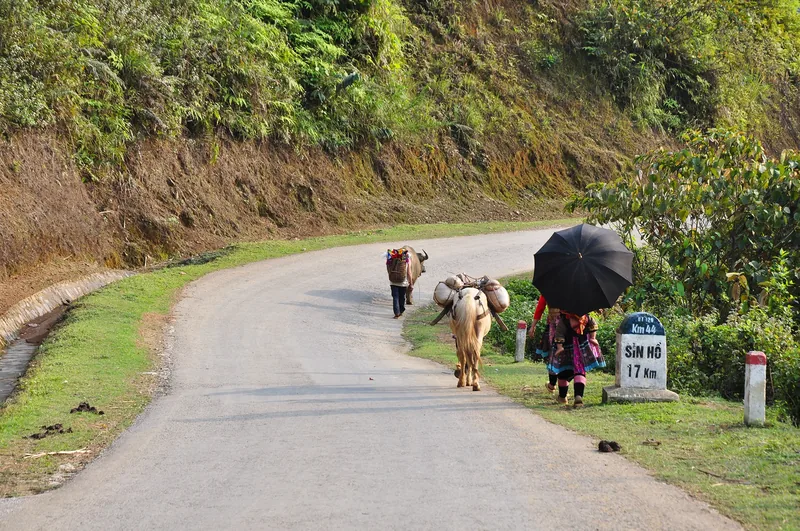
Sin Ho and Phong Tho
The Sin Ho plateau and the Phong Tho villages: altitude, markets, homestays, roads and seasons.
Read more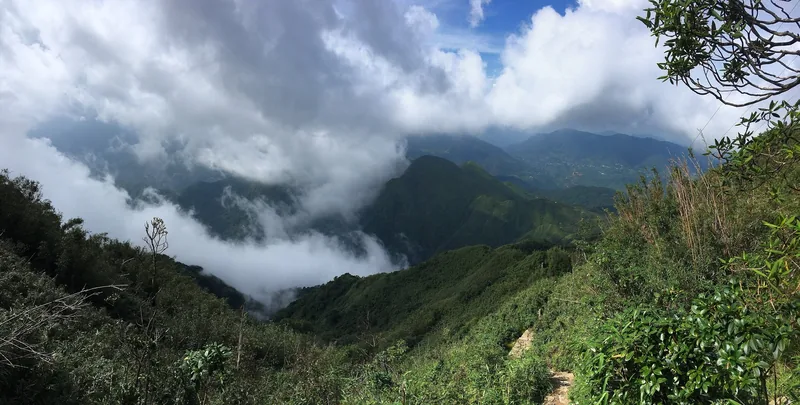
Destinations · Trekking
Pu Ta Leng
Pu Ta Leng trek: routes from Ta Leng commune, days, season, rules, costs and risks.
Read more
Practical rules
Permits and registration
Border-area rules, temporary residence declarations and forest rules that apply to visitors in Lai Chau.
Read more
Planning
How many days
Suggested loops in Lai Chau from Sa Pa and Hanoi, with days, distances and where short trips fail.
Read more
Seasons
When to go
Month-by-month guide to Lai Chau for road trips, treks, rhododendrons and the rice harvest.
Read more
Start planning
Send a correction or a question
Tell us which page you mean, what you found on the road, the trail or an official site, and when. A link to the source helps us check it.